Porchside Pairing: Crowned Heads Broadway and New Riff Single Barrel
Author: David From http://www.musingsoverabarrel.com/ • Apr 24th, 2026Category: Blog Entries.Local
The end of the week brought delightful weather for sitting outside. On Thursday, I took advantage of it and enjoyed a couple of fine cigars in pleasant outdoor settings.
In the afternoon, I spent a few hours at Slow Burn Cigar Company, a new-to-me shop in Remington. (More on that in a future post.) It was such a nice day that I joined others on the outside porch rather than smoke in the lounge.
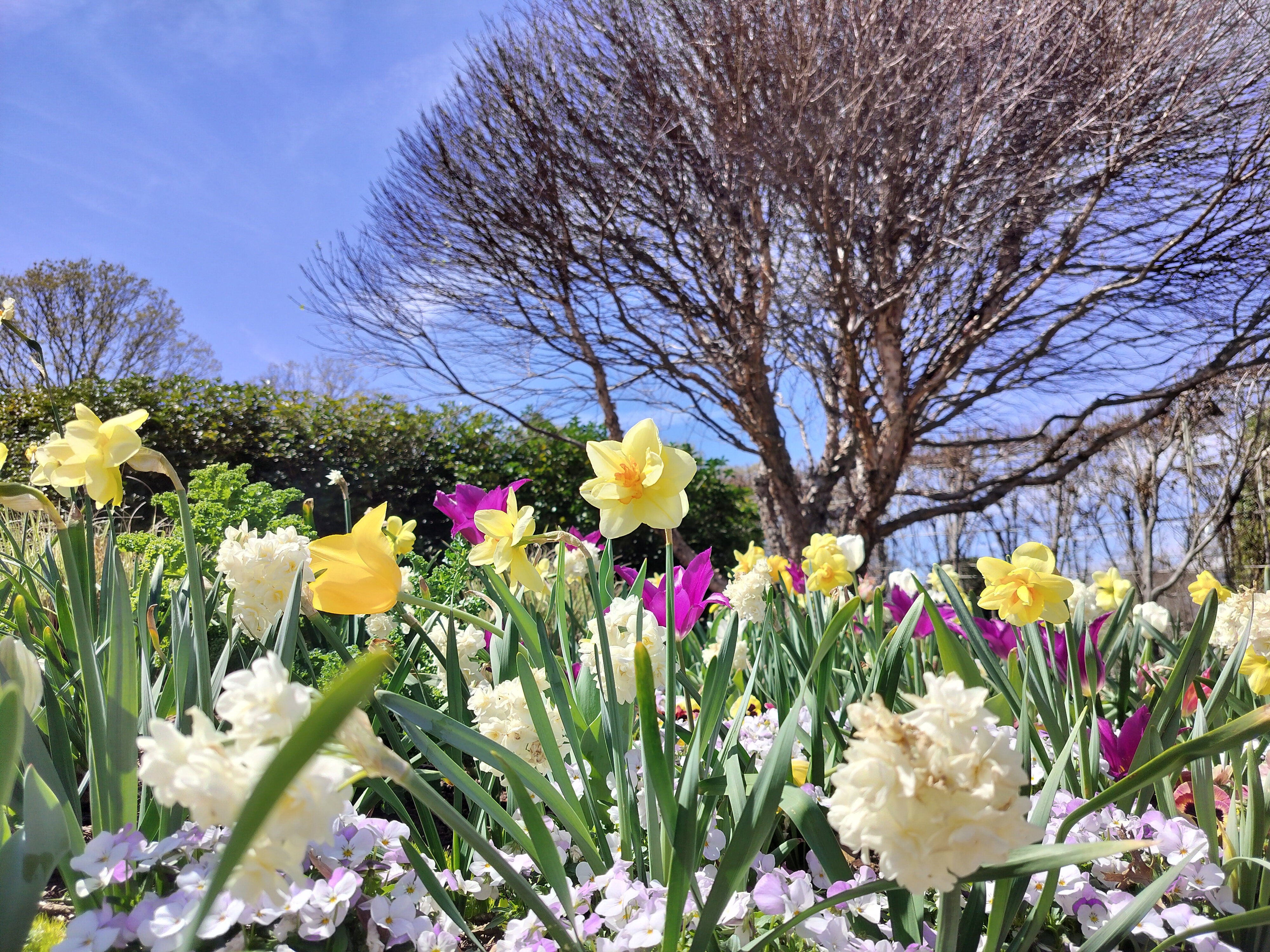
After dinner at home, I retired outside to the screened porch to enjoy a Crowned Heads Broadway.

The Crowned Heads Broadway is a relatively new release from Crowned Heads. Coincidentally, it is the first cigar introduced under the company’s updated branding, with the logo displayed prominently on the primary band and a supplemental band identifying the specific line. I’ve had several of the 4 3/4 x 50 Robusto Extra vitola resting in the humidor for about four months.
The cigar features a dark Connecticut Broadleaf wrapper. The remainder of the blend is Nicaraguan tobacco, incorporating leaf from the Estelí, Jalapa, and Ometepe regions in the filler. That combination creates a rich, savory smoke that opens with notes of espresso, dark cocoa, and black pepper. Occasional but fleeting hints of sweetness emerge throughout.
As the cigar progressed, the pepper intensified and the profile grew bolder. Medium-full bodied at the start, it moved solidly into full-bodied territory during the second half. The final puffs delivered a concentrated wave of black pepper and dark richness.
My original intention was to pour some New Riff Distilling Bottled in Bond with the cigar. When I set the bottle down after pouring, I realized I had grabbed the New Riff Single Barrel by mistake. That worked out just fine — perhaps even better.

New Riff Single Barrel is a high-rye bourbon, offering a pleasant rye-driven kick. This bottle is labeled at 110.3 proof — assertive, but not overwhelming. Rye spice dominates the nose, accompanied by cinnamon, brown sugar, and sweet fruit notes. There is a touch of proof-driven warmth on the palate, though not enough to warrant adding water. Caramel sweetness and dark fruit balance the spice, creating a robust sipping experience.
The pairing, though unintended, turned out to be especially fitting. The bold and spicy New Riff stood up well to the richness of the Broadway, particularly as the cigar’s pepper and espresso notes intensified toward the finish.
As I smoked and sipped, I put on music from the 1960s and ’70s rock band Traffic in honor of the recent passing of founding member Dave Mason. The music stirred a wave of nostalgia and reflection.
The cigar and bourbon, combined with the spring weather and good music, created a serene and relaxing atmosphere — just the right way to get an early start on the weekend.
Cheers!